Export Market Entry Risk Mitigation: A Practical Guide
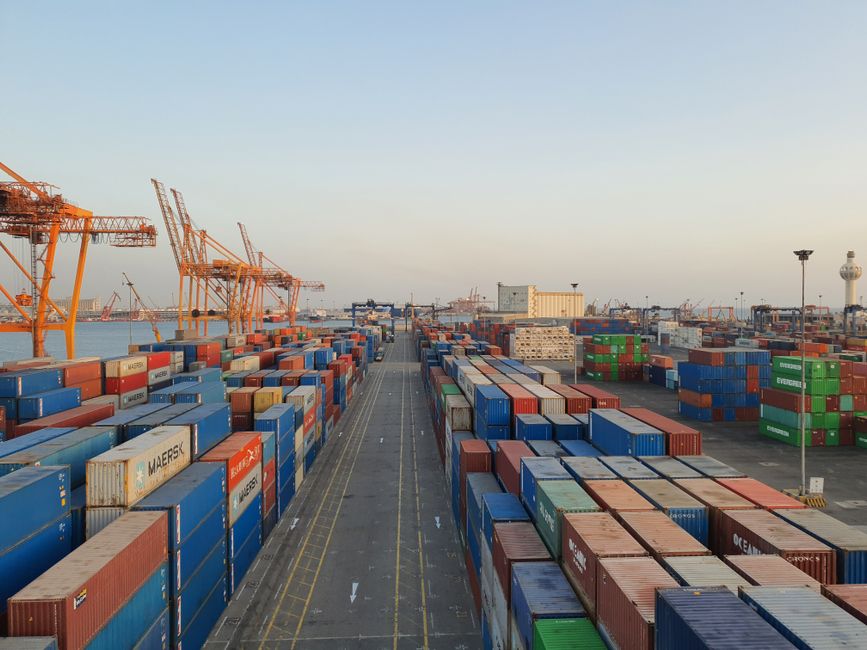
Entering a new export market exposes your business to currency fluctuations, regulatory barriers, unreliable partners, payment defaults, and cultural misalignment. Effective mitigation starts before you commit resources: conduct country-specific market research, verify compliance requirements early, vet distributors and buyers thoroughly, secure payment through letters of credit or trade insurance, and build flexibility into contracts to accommodate exchange rate shifts and regulatory changes.
Financial Risks: Currency and Payment
Currency volatility can erase profit margins. A 10% swing in exchange rates between order and payment changes your economics. Hedge exposure through forward contracts or natural hedges (matching revenue and costs in the same currency). For payment risk, use letters of credit for new buyers, require deposits for large orders, and consider export credit insurance to cover defaults. Smaller transactions can move to documentary collections or open account terms once trust is established, but only after the buyer has a payment history.
Payment terms vary by region. European buyers often expect 60 to 90 days. Asian markets may accept shorter cycles. Align your cash flow planning to the reality of each market, not your domestic expectations.
Regulatory and Compliance Risks
Every country has import rules: tariffs, certifications, labeling standards, restricted ingredients, and documentation requirements. A shipment held at customs costs money and damages relationships. Identify the specific regulations for your product category in the target country before you quote a price. Work with a customs broker or freight forwarder experienced in that market, and budget time for certifications (some take months).
Compliance is not static. Tariff codes change, trade agreements expire, and safety standards get updated. Assign someone to monitor regulatory changes in your active export markets, or work with a partner who tracks them.
Partner and Distributor Risks
A bad distributor can lock up your product in a market for years. Contracts often grant exclusive rights, and breaking them is expensive. Vet potential partners by checking references, visiting their facilities if possible, and reviewing their financial stability. Ask for a business plan that shows how they will sell your product, not just interest in carrying it. Set performance milestones in the contract with clear exit terms if targets are not met.
Cultural and communication gaps cause friction. A partner who does not respond to emails for two weeks may be operating on a different business rhythm, not ignoring you. Build in extra lead time for decisions and clarify expectations around reporting, pricing authority, and marketing support upfront.
Operational and Logistical Risks
Shipping delays, damaged goods, and incorrect documentation disrupt delivery. Use Incoterms to define who bears risk at each stage of transport. FOB (Free on Board) transfers risk to the buyer once goods are loaded; DDP (Delivered Duty Paid) keeps risk with you until delivery. Choose terms that match your capability and the buyer's expectations.
Test your logistics before scaling. Send a small trial shipment to surface issues with packaging, labeling, or transit times. Work with freight forwarders who have direct experience in your target market and product type. Commodity shipments have different needs than temperature-controlled or hazardous goods.
Market and Demand Risks
Demand assumptions based on your home market often miss the mark abroad. A product that sells well domestically may face entrenched local competitors, different use cases, or price sensitivity you did not anticipate. Market research should include competitor pricing, distribution channel margins, and customer buying behavior specific to the country. If your research is thin, start with a pilot market or limited product range to test assumptions before committing to inventory and exclusivity agreements.
Economic downturns, political instability, and sudden policy shifts can close a market quickly. Diversify across regions to avoid concentration risk, and keep a portion of production flexible enough to redirect if one market stalls.
Building a Risk Mitigation Plan
A useful plan names the specific risks for your product and target market, assigns likelihood and impact, and lists the mitigation action with an owner and timeline. For example: "Risk: distributor fails to meet minimum order quantity. Mitigation: include quarterly performance reviews and a 90-day termination clause. Owner: export manager. Review: monthly."
Update the plan as conditions change. Risks that seemed remote (a sudden tariff increase, a currency peg breaking) become real. Companies that enter export markets successfully treat risk management as ongoing work, not a checklist completed at launch.
Businesses without in-house export experience often benefit from working with specialists who handle market research, distributor vetting, and compliance coordination as part of their service. OutsourcedExport offers an outsourced export team that manages these functions for companies entering new markets, reducing the need to build internal expertise before testing international demand.
When to Walk Away
Some risks cannot be mitigated to an acceptable level. If a market requires certifications that cost more than realistic first-year revenue, if the regulatory environment is opaque and enforcement is arbitrary, or if you cannot find a trustworthy partner after thorough vetting, delay entry or choose a different market. Entering a market poorly is more expensive than waiting until conditions improve or your business is better prepared.
Frequently asked questions
What is the most common financial risk when exporting?
Currency fluctuation between the time you agree on a price and when you receive payment. A 10% exchange rate move can eliminate profit margins. Hedge through forward contracts or match costs and revenue in the same currency.
How do I vet a potential distributor in a new market?
Check references from other brands they carry, review their financials if possible, visit their facilities, and ask for a detailed plan showing how they will sell your product. Include performance milestones and exit terms in the contract.
Should I use a letter of credit for every export transaction?
Letters of credit reduce payment risk but add cost and complexity. Use them for new buyers, large orders, or high-risk markets. Once a buyer has a solid payment history, you can move to less costly terms like documentary collections or open account.
What happens if my product does not meet the importing country's regulations?
The shipment can be held at customs, returned, or destroyed, and you lose the sale and shipping costs. Verify regulatory requirements (certifications, labeling, restricted ingredients) before quoting a price or shipping.
How do I reduce the risk of choosing the wrong export market?
Conduct country-specific research on competitor pricing, distribution channels, and customer behavior before committing. Start with a pilot or limited product range to test demand and logistics before scaling or granting exclusivity.