Export Compliance Regulations: Managing Key Challenges
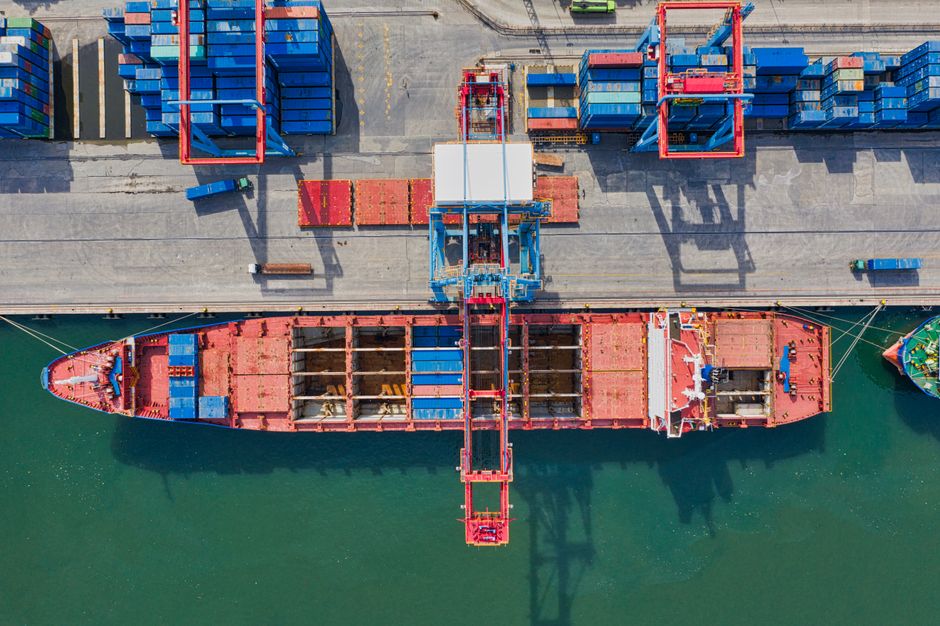
Export compliance regulations govern what you can sell, where you can sell it, who you can sell to, and what documentation you need to prove you followed the rules. Every country enforces its own export controls, import requirements, and trade restrictions. Missing a step can delay shipments, trigger fines, or block market access entirely.
The core challenges are licensing requirements, product classification, customs documentation, restricted party screening, and staying current as regulations change. Each one requires different expertise and different systems. Most businesses underestimate the time and cost until they face their first compliance issue.
Export Licensing and Product Classification
Export licensing determines whether you need government permission before shipping certain products. Controlled goods include military items, dual-use technology, encryption software, and items subject to trade embargoes. The classification system varies by country. The United States uses the Export Administration Regulations (EAR) and the International Traffic in Arms Regulations (ITAR). The European Union uses the EU Dual-Use Regulation. Each system assigns codes to products and matches those codes to license requirements.
Product classification starts with identifying the correct code for your item under the Harmonized System (HS), the Schedule B (for U.S. exports), or the Export Control Classification Number (ECCN) if the item is controlled. Misclassification is common. A product may fall under multiple codes depending on its materials, end use, or technical specifications. The wrong code can mean the wrong duty rate, the wrong license requirement, or a rejected shipment at the border.
If your product requires a license, the application process can take weeks or months. You submit technical specifications, end-user statements, and justifications for the sale. Some licenses cover a single transaction. Others cover multiple shipments to approved parties over a set period. Denied applications are rare but not uncommon for sensitive technology or destinations under sanctions.
Customs Documentation and Import Requirements
Customs documentation proves what you are shipping, its value, its origin, and its eligibility to enter the destination country. The required documents vary by country and product but typically include a commercial invoice, packing list, bill of lading or airway bill, certificate of origin, and any product-specific certificates such as health certificates for food or conformity declarations for regulated goods.
The commercial invoice must show the buyer, seller, product description, HS code, quantity, unit price, total value, and terms of sale (Incoterms). Errors in the invoice cause delays. Understating the value to reduce duties is illegal and can result in seizure, fines, and criminal charges. Overstating the value to meet minimum order requirements for a distributor creates a mismatch between the invoice and the payment, which raises red flags during audits.
Certificates of origin prove where the product was made. Some trade agreements, such as USMCA or the EU-UK Trade and Cooperation Agreement, require specific origin documentation to qualify for reduced tariffs. Rules of origin can be complex. A product assembled in one country from components made in another may not qualify as originating in the assembly country. If the origin claim is wrong, the importer pays the full tariff and may face penalties.
Import requirements in the destination country add another layer. Some countries require pre-shipment inspections, import licenses, or registration with local agencies before goods can clear customs. Food products often need health certificates or lab test results. Electronics may need safety certifications or electromagnetic compatibility testing. Pharmaceuticals and cosmetics face registration and labeling rules that vary widely. Missing a requirement means the shipment sits at the port until the issue is resolved, accruing storage fees.
Restricted Party Screening
Restricted party screening checks whether your buyer, distributor, freight forwarder, or end user appears on a government sanctions list or denied parties list. The United States maintains several lists, including the Specially Designated Nationals (SDN) List, the Entity List, and the Denied Persons List. The European Union, United Kingdom, Canada, and other countries maintain their own lists. Some lists block all transactions with the listed party. Others restrict specific products or require a license.
Screening must happen before the sale, not after. Once you ship to a restricted party, the violation has occurred. Penalties include fines, loss of export privileges, and criminal prosecution for willful violations. The fine amounts can exceed the value of the transaction by a significant margin.
Automated screening tools compare customer names, addresses, and identifying information against the relevant lists. Manual screening is impractical for high transaction volumes and prone to error. The challenge is keeping the screening database current, handling name variations and transliterations, and deciding what to do when a potential match appears. A partial match may be a false positive, or it may be an alias. Investigating takes time, and the sale may be lost if the customer will not wait.
Screening applies to every party in the transaction, not just the buyer. If your freight forwarder or logistics provider is on a restricted list, using them violates the rules even if the shipment itself is permitted.
Regulatory Changes and Compliance Monitoring
Trade regulations change frequently. Governments add or remove countries from sanctions lists, update tariff schedules, impose anti-dumping duties, and revise licensing requirements. A compliance program that worked last year may not work this year.
Monitoring changes requires tracking government announcements, subscribing to trade bulletins, and participating in industry groups. For businesses exporting to multiple countries, the volume of regulatory updates is difficult to manage without dedicated staff or external support. Missing a change can mean shipping under outdated rules and facing penalties.
Compliance audits, both internal and external, test whether your procedures match the regulations. Customs authorities in many countries conduct post-clearance audits, reviewing past shipments to verify that classifications, valuations, and origin claims were correct. Errors discovered during an audit can result in back duties, interest, and penalties. Repeat violations or evidence of intentional misstatement lead to higher penalties and increased scrutiny on future shipments.
Some businesses handle compliance internally by hiring trade compliance specialists or training existing staff. Others coordinate compliance through external partners, such as customs brokers, freight forwarders, or export management companies. OutsourcedExport includes compliance coordination as part of its service, helping businesses manage the regulatory requirements without building an in-house compliance department. The right approach depends on transaction volume, product complexity, and the number of destination markets.
Building a Compliance Process
A working compliance process includes classification, screening, documentation, recordkeeping, and periodic review. Start by classifying your products correctly. If the classification is uncertain, request a binding ruling from the relevant customs authority. The ruling provides legal certainty and protects you if the classification is later questioned.
Set up restricted party screening before accepting orders. Integrate the screening tool with your sales system so every customer is checked automatically. Train your sales team to recognize red flags, such as a customer who refuses to provide end-use information, requests unusual shipping arrangements, or is evasive about their business.
Create templates for the required documents and review them with your freight forwarder or customs broker. Small errors, such as a missing HS code or an incomplete address, cause delays. Standardizing the documents reduces mistakes.
Keep records of every export transaction for the period required by law. In the United States, export records must be kept for five years. Other countries have similar or longer retention requirements. Records include the commercial invoice, packing list, export license (if applicable), proof of screening, shipping documents, and correspondence with the buyer. Organized records make audits faster and reduce the risk of penalties for missing documentation.
Review your compliance procedures at least annually. Check whether product classifications are still current, whether screening lists have been updated, and whether any new regulations apply to your markets. If your export volume or product range has grown, the compliance process may need more resources or better tools.
Common Mistakes and How to Avoid Them
Misclassifying products is the most frequent error. Businesses rely on the buyer's suggested HS code, use an old code from a previous shipment, or guess based on a product description. The correct approach is to classify the product yourself using the official tariff schedule and request a binding ruling if the classification is unclear.
Skipping restricted party screening because the buyer is a known customer is another common mistake. Sanctions lists change. A customer who was clear last month may be restricted today. Screen every transaction.
Using incomplete or inconsistent documentation creates problems at customs. The product description on the commercial invoice must match the packing list and the shipping documents. The value must match the payment terms. The origin stated on the certificate of origin must match the manufacturing location. Inconsistencies trigger inspections and delays.
Failing to keep records is a problem during audits. If you cannot prove that you classified the product correctly, screened the buyer, and followed the export regulations, the customs authority will assume you did not. The penalties for missing records can be as severe as the penalties for the underlying violation.
Assuming that the freight forwarder or customs broker handles all compliance is a mistake. The forwarder arranges transportation and prepares shipping documents. The broker clears customs based on the information you provide. Neither is responsible for product classification, export licensing, or restricted party screening. Those tasks belong to the exporter.
When to Get Help
Compliance becomes harder as you add markets, products, or transaction volume. A business exporting one product to one country can manage compliance with basic training and a checklist. A business exporting ten products to fifteen countries needs specialized staff, software tools, and ongoing monitoring.
Signs that you need outside help include frequent customs delays, difficulty keeping up with regulatory changes, uncertainty about product classification, or a customs audit that revealed errors. Hiring a trade compliance consultant, working with a specialized freight forwarder, or using an outsourced export team can reduce risk and free up time for other priorities.
Compliance is not optional, and it does not get easier as you grow. The cost of getting it right is lower than the cost of getting it wrong.
Frequently asked questions
Do I need an export license for every international shipment?
No. Most commercial products do not require an export license. Licenses are required for controlled goods such as military items, dual-use technology, and products subject to trade embargoes. You must classify your product to determine if a license is needed.
What happens if I use the wrong HS code on my customs documents?
The wrong HS code can result in incorrect duties, shipment delays, or penalties. If discovered during an audit, you may owe back duties, interest, and fines. Repeated misclassification can lead to increased scrutiny on future shipments.
How often do I need to screen customers against restricted party lists?
Screen every customer before every transaction. Sanctions lists change frequently, and a customer who was clear last month may be restricted today. Automated screening tools make this practical for high transaction volumes.
Who is responsible for compliance, the exporter or the freight forwarder?
The exporter is responsible. The freight forwarder arranges transportation and prepares shipping documents based on the information you provide. Product classification, export licensing, and restricted party screening are the exporter's responsibility.
How long do I need to keep records of export transactions?
In the United States, export records must be kept for five years. Other countries have similar or longer requirements. Records include invoices, packing lists, export licenses, proof of screening, and shipping documents.