Direct vs. Indirect Export: Which Strategy Fits Your Business?
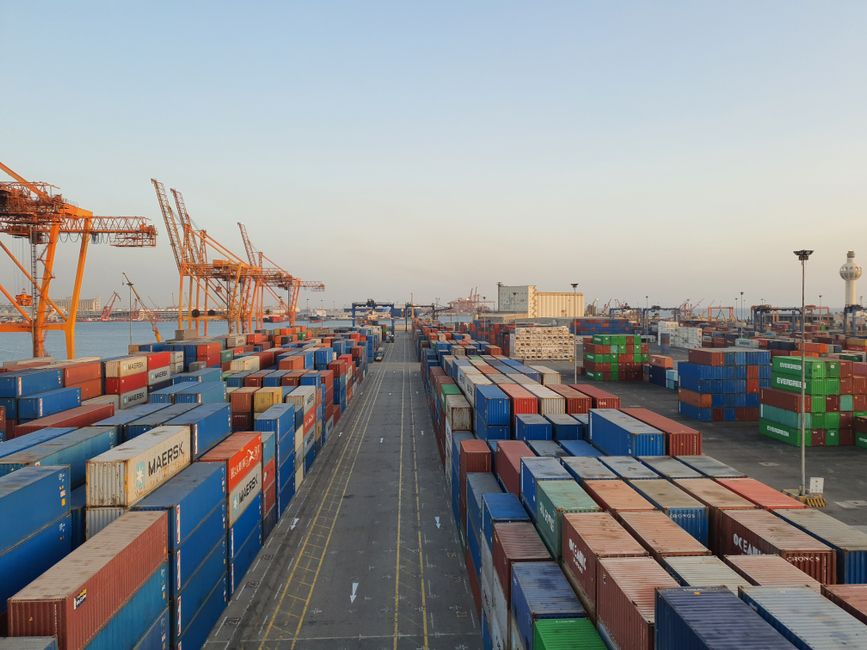
A direct export strategy means your business sells to foreign buyers without intermediaries. You handle pricing, shipping, customer relationships, and compliance. An indirect export strategy uses middlemen like export trading companies, domestic distributors with foreign networks, or export management companies to reach overseas customers. The choice depends on your resources, control preferences, and how much international complexity you can manage.
Direct Export: You Own the Relationship
Direct export gives you full control over pricing, branding, customer experience, and market intelligence. You sell straight to foreign distributors, retailers, or end users. Your team handles market research, compliance paperwork, logistics coordination, and payment collection.
The upside is margin retention and direct feedback. When a product succeeds or fails, you know why. You set the terms, choose the partners, and keep the customer data. Companies that treat international sales as a core growth channel usually go direct.
The downside is cost and complexity. You need staff who understand tariffs, export documentation, foreign business practices, and often multiple languages. Mistakes in compliance or shipping can be expensive. Market entry takes longer because you are building relationships and infrastructure from scratch.
Direct export works best when you have the budget for dedicated international staff or can work with a partner like OutsourcedExport that acts as your export team without requiring full-time hires. It also fits businesses with complex products that need direct technical support or brand-sensitive companies that cannot afford inconsistent messaging abroad.
Indirect Export: Lower Risk, Less Control
Indirect export means a third party takes your product to foreign markets. Export trading companies buy your goods and resell them overseas. Domestic distributors with international networks add your product to their catalog. Export management companies represent you in foreign markets for a commission or fee.
The advantage is simplicity. The intermediary handles logistics, compliance, currency risk, and foreign buyer relationships. You ship domestically and get paid in your home currency. Upfront costs are lower, and you avoid hiring international specialists.
The trade-off is margin and insight. The intermediary takes a cut, sometimes a large one. You lose visibility into who buys your product, why they buy it, and what they think. Branding and positioning are out of your hands. If the intermediary underperforms or misrepresents your product, you have limited recourse.
Indirect export makes sense when international sales are experimental, when your product fits neatly into an existing export channel, or when you lack the staff and budget for direct market entry. It is also common in industries where established trading companies have deep foreign networks that would take years to replicate.
Cost Comparison
Direct export costs include salaries for international sales staff, travel, trade show fees, legal and compliance consulting, logistics coordination, and customer credit risk. A small direct export operation might require one or two full-time employees plus outside help for customs and legal work. Larger operations need regional managers, in-country support, and localized marketing.
Indirect export costs are mostly the margin you give up. An export trading company might pay 50 to 70 percent of the price you would get selling direct. An export management company typically takes 10 to 20 percent commission. You save on overhead but earn less per unit.
The break-even point depends on volume. Low-volume exporters often pay less going indirect. High-volume exporters recover the fixed costs of a direct operation quickly and keep more revenue long term.
Control and Market Knowledge
Direct export gives you access to customer feedback, competitive intelligence, and pricing data. You see what sells, what does not, and why. That information feeds product development, marketing strategy, and future market selection.
Indirect export insulates you from that feedback. The intermediary may share some information, but it is filtered and often delayed. You cannot easily test new products, adjust messaging, or respond to competitor moves.
For businesses where international learning matters, direct export is worth the extra cost. For businesses treating export as a side channel or testing demand before committing resources, indirect export is a reasonable starting point.
Risk and Liability
Direct export puts compliance risk on your business. If a shipment violates import rules, you pay the fines. If a customer does not pay, you chase the debt across borders. If a product injures someone abroad, your liability exposure is direct.
Indirect export transfers some of that risk to the intermediary, depending on the contract structure. Export trading companies typically take title to the goods, so payment risk shifts to them. Export management companies may or may not assume liability, depending on whether they take title or work on commission.
Read the agreement carefully. Some intermediaries limit their liability, leaving you exposed despite the indirect structure. Insurance, letters of credit, and clear contract terms reduce risk in both models.
Switching from Indirect to Direct
Many businesses start indirect and move to direct export as volume grows. The intermediary proves the market, then the manufacturer takes over to capture more margin and control.
This transition works smoothly when the original agreement includes clear terms about market ownership, customer lists, and transition support. It works poorly when the intermediary has exclusive rights or refuses to share customer information.
Negotiate transition terms upfront. Include performance milestones that trigger renegotiation, define what happens to customer relationships if you part ways, and avoid long-term exclusive agreements unless the intermediary is investing heavily in your brand.
Hybrid Approaches
Some businesses use both strategies in different markets. They go direct in high-priority countries where they see long-term potential and use intermediaries in smaller or test markets.
Others use intermediaries for logistics and compliance while keeping sales and marketing direct. They hire a freight forwarder and customs broker but manage distributor relationships themselves.
The hybrid approach requires clear internal processes so responsibilities do not overlap or create confusion. It works best when the business has some international experience and can manage multiple partner relationships without losing track of who does what.
When to Choose Direct Export
Choose direct export when you want control over branding and customer experience, when your product requires technical support or training, when margins are thin and intermediary fees would make the business unviable, or when you plan to treat international sales as a major growth driver and want the market intelligence that comes from direct relationships.
Direct export also makes sense when you have access to experienced international staff or a partner that can act as your export team without requiring full-time hires.
When to Choose Indirect Export
Choose indirect export when you are testing international demand and want to minimize risk, when your product fits an established export channel and the intermediary has strong foreign relationships, when you lack the budget or staff for direct market entry, or when compliance and logistics complexity in the target market is high and outsourcing those tasks makes sense.
Indirect export is often the right first step. It proves the market without requiring a large upfront investment. Once demand is clear, you can renegotiate terms, bring operations in-house, or switch to a direct model.
Making the Decision
Start by estimating the revenue potential in your target markets. If projected sales are low, indirect export usually costs less. If projected sales are high, direct export captures more profit once fixed costs are covered.
Next, assess your internal capacity. Do you have staff who can handle international sales, compliance, and logistics? If not, can you hire them or work with an outside team? If the answer is no to both, indirect export is the practical choice.
Finally, consider how important market control and customer insight are to your strategy. If learning from international customers will shape your product roadmap and competitive positioning, direct export is worth the investment. If international sales are a secondary revenue stream and domestic growth is the priority, indirect export keeps things simple.
Frequently asked questions
Can I start with indirect export and switch to direct later?
Yes, many businesses do this. Start with an intermediary to prove demand, then negotiate a transition or take over the market directly once volume justifies the cost. Make sure your initial agreement includes clear terms about customer ownership and transition rights.
How much does it cost to set up a direct export operation?
A small direct export operation typically requires one to two full-time employees, plus outside help for customs, legal, and logistics. Costs vary by market and product complexity, but expect to invest in salaries, travel, compliance consulting, and trade show participation.
What is the typical commission for an export management company?
Export management companies usually charge 10 to 20 percent commission on sales. The rate depends on the services they provide, the market difficulty, and the product category.
Does indirect export mean I lose control of my brand?
Often, yes. The intermediary controls how your product is presented, priced, and positioned in foreign markets. If brand consistency matters, negotiate specific terms about marketing and messaging, or choose direct export.
Which export strategy works best for small businesses?
Small businesses with limited budgets often start with indirect export to test markets without large upfront costs. As sales grow and international operations become core to the business, many transition to direct export or work with an outsourced team to gain more control.