Export Market Entry Strategy: Your Definitive Guide
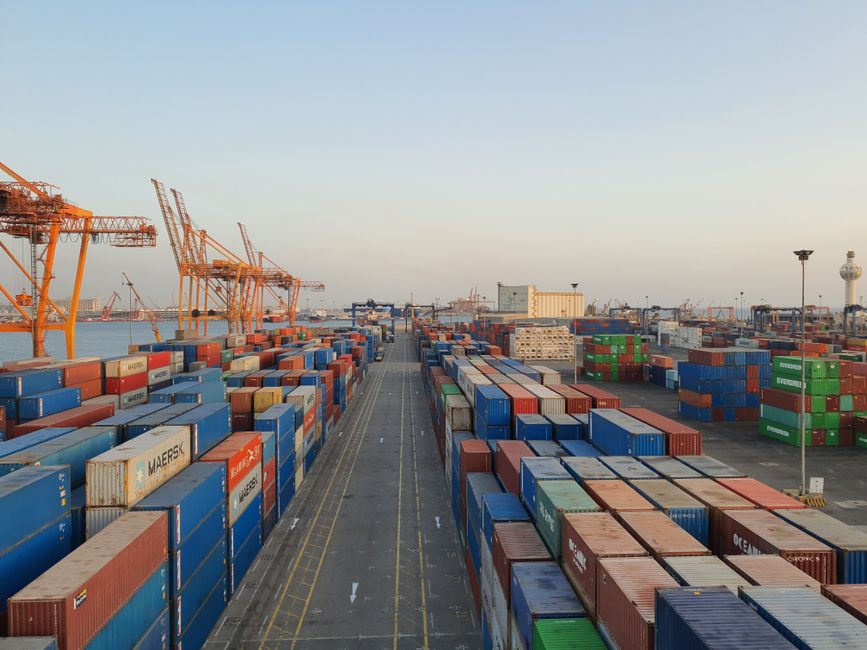
An export market entry strategy is the plan a business follows to sell its products in another country. The strategy covers which markets to enter, how to reach buyers, how to handle compliance and logistics, and whether to sell directly or through intermediaries like distributors. Most businesses choose between direct export (selling straight to customers or retailers abroad), indirect export (working through agents or distributors), or hybrid models that combine both.
The right strategy depends on your product, resources, and goals. A food company entering Europe might work with local distributors who understand regional regulations and retail relationships. A software company might sell directly through its website and localized marketing. A manufacturer might start with one test market, validate demand, then expand to adjacent regions.
Choosing Your Target Markets
Market selection starts with fit, not size. A country with strong demand for your product category, manageable regulatory requirements, and accessible distribution channels will outperform a larger market where your product faces barriers or weak demand.
Look at import data for your product category, trade agreements that reduce tariffs, language and cultural alignment, and whether competitors have succeeded there. Businesses new to exporting often start with markets that share language or trade ties with their home country, then expand as they gain experience.
Market research should answer whether buyers exist, what they pay, how they buy, and what it takes to reach them. This research shapes every other decision in your entry strategy.
Direct vs. Indirect Export Models
Direct export means your business handles sales, shipping, and customer relationships. You control pricing, branding, and the customer experience. This works well for businesses with unique products, established online channels, or the capacity to manage international logistics.
Indirect export means working through intermediaries. Distributors buy your product and resell it locally. Agents represent you and earn commission on sales they generate. Trading companies handle multiple brands and manage the export process. This model reduces upfront investment and gives you local expertise, but you lose some control over pricing and positioning.
Many businesses start indirect, then shift to direct as sales grow and they learn the market. Others use a hybrid approach, working with distributors in some regions while selling directly in others.
Finding Buyers and Building Distribution
Distributor development is the process of identifying, vetting, and partnering with local companies that will sell your product. Start with trade associations, industry directories, and trade shows in your target market. Vet candidates by asking about their existing product lines, customer base, geographic coverage, and sales capacity.
Negotiate clear terms upfront: territory, exclusivity, minimum order quantities, payment terms, and marketing support. A strong distributor agreement protects both sides and sets expectations.
For businesses targeting retail, the process involves prospecting retailers directly, attending trade shows, or working with sales representatives who have existing retail relationships. Retailers want proof of demand, competitive pricing, and reliable supply.
Compliance, Regulations, and Logistics
Every country has its own import rules. These cover product standards, labeling requirements, certifications, tariffs, and restricted goods. Food and beverage products face especially strict regulations around ingredients, packaging, and health claims. Electronics need safety certifications. Cosmetics and supplements must meet local ingredient restrictions.
Research the requirements early. Assume six to twelve months for certifications in regulated categories. Budget for testing, legal review, and label redesigns.
Logistics include freight forwarding, customs brokerage, warehousing, and last-mile delivery. Work with a freight forwarder experienced in your product category and target market. Understand Incoterms, which define who pays for shipping, insurance, and customs at each stage.
Building Your Go-to-Market Plan
A go-to-market plan documents how you will enter the market, reach customers, and generate sales. It includes your value proposition for that market, pricing strategy, distribution channels, marketing tactics, sales targets, and timeline.
Start with a pilot. Choose one city or region, test your approach, gather feedback, and adjust before scaling. This reduces risk and gives you real data to refine your strategy.
Your plan should identify who owns each task. If you lack in-house export expertise, consider whether to hire, partner with local agencies, or work with a service like OutsourcedExport, which provides an outsourced export team to handle market research, distributor development, and international sales management.
Managing Risks in International Expansion
Export market entry carries financial, operational, and reputational risks. Currency fluctuations affect your profit margins. Payment defaults leave you without recourse in a foreign legal system. Supply chain disruptions delay shipments and damage retailer relationships.
Mitigate financial risk by requiring letters of credit or advance payment until you establish trust. Use export credit insurance to protect against non-payment. Lock in currency rates with forward contracts when margins are tight.
Operational risk comes from underestimating timelines, costs, or complexity. Build buffers into your budget and schedule. Start small, learn, then scale.
Reputational risk comes from poor product performance, missed deadlines, or compliance failures. Vet your logistics partners carefully. Communicate proactively when problems arise. Protect your brand by entering only markets where you can deliver consistently.
Outsourcing vs. Building In-House Capacity
Building an in-house export team gives you control and long-term capability. Outsourcing gives you speed, expertise, and lower upfront cost. Most businesses start by outsourcing, then bring functions in-house as export revenue justifies the investment.
Outsourcing works well for market research, distributor prospecting, compliance coordination, and trade show follow-up. These tasks require specialized knowledge and benefit from external networks. Sales management, product development, and brand strategy usually stay in-house.
OutsourcedExport offers solutions for businesses at different stages: starting exports for the first time, expanding existing international sales, entering the U.S. market, or targeting specific new countries. Their model includes a sliding-fee structure where involvement and fees decrease as your international sales reach agreed milestones, so you build toward owning the operation rather than depending on external support indefinitely.
Measuring Success and Adjusting Your Strategy
Track metrics that show whether your entry strategy is working. These include sales volume, customer acquisition cost, distributor performance, repeat order rates, and profitability by market.
Set milestones for the first 90 days, six months, and one year. If a market underperforms, diagnose whether the issue is product-market fit, distribution, pricing, or execution. Adjust your approach or exit the market if fundamentals do not improve.
Successful export programs evolve. What works in your first market might not work in your third. Stay close to customer feedback, monitor competitor moves, and refine your strategy as you learn.
Frequently asked questions
What is the difference between direct and indirect export?
Direct export means you sell and ship to customers or retailers yourself, controlling pricing and relationships. Indirect export means you work through intermediaries like distributors or agents who handle local sales. Direct gives you control; indirect gives you local expertise and lower upfront cost.
How do I choose which country to enter first?
Choose based on fit, not market size. Look for strong demand in your product category, manageable regulations, accessible distribution, and cultural or trade alignment with your home market. Research import data, tariffs, and whether competitors have succeeded there.
How long does it take to enter a new export market?
Timelines vary by product and market. Expect six to twelve months for regulated products that need certifications. Unregulated products with simple distribution can move faster, but building relationships, testing demand, and setting up logistics still typically takes three to six months.
Should I hire an export team or outsource the work?
Outsourcing makes sense early on when you lack expertise and export revenue does not justify full-time hires. As sales grow, bring key functions in-house. Many businesses outsource market research and distributor prospecting while keeping sales strategy and brand decisions internal.
What are the biggest risks in export market entry?
Financial risks include currency fluctuations and non-payment. Operational risks include underestimating costs, timelines, and logistics complexity. Reputational risks come from compliance failures or poor delivery. Mitigate these with payment protections, conservative budgets, and careful partner vetting.